Whether someone is joining as a chef, kitchen assistant, steward, or seasonal worker, food safety should be one of the first topics they learn. Building safe habits from day one helps protect guests, maintain standards, and create consistency across the organization.
👉 Now, let's get into the why:
First impressions become lasting habits
The first days and weeks of employment shape how employees approach their work.
If food safety standards are introduced early and reinforced consistently, employees are more likely to adopt them as part of their daily routine. If expectations are unclear, staff may rely on previous experiences or assumptions that do not align with your organization's procedures. Effective onboarding helps establish good habits before unsafe practices have a chance to develop.
Ask yourself:
🟢 What does a new employee learn on day one?
🟢 Is food safety treated as a priority or an afterthought?
🟢 Are expectations clearly documented?
🟢 Can every manager explain the same standards?
Consistency across every team member
Hospitality businesses often employ team members from different backgrounds, industries, and countries.
While this diversity brings valuable experience, it can also mean employees arrive with different understandings of food safety procedures. Including food safety training in onboarding ensures every employee starts with the same foundation, regardless of their previous experience.
👇 Best practice:
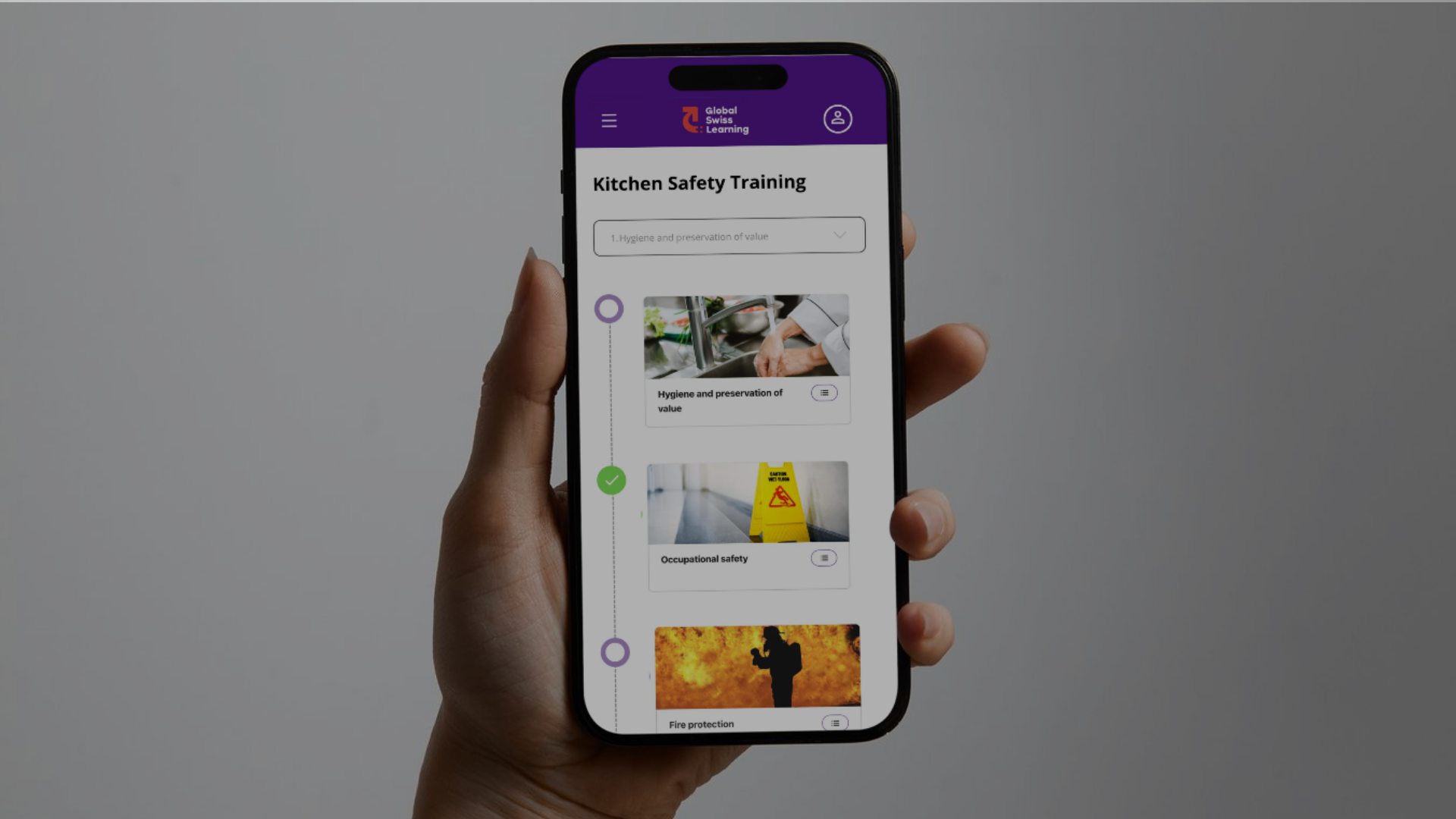
Bring a standardized approach to how you train all employees, like a dedicated Kitchen Safety course. This reduces confusion and helps create consistency across shifts, departments, and locations.
Preventing costly mistakes before they happen
Many food safety incidents are not caused by outright negligence. They happen because employees were never properly trained in the first place.
New hires should understand:
🟢 Personal hygiene requirements
🟢 Cross-contamination risks
🟢 Safe food handling procedures
🟢 Cleaning and sanitation expectations
🟢 Reporting processes for food safety concerns
Addressing these topics during onboarding helps prevent mistakes before they impact operations, guests, or the organization's reputation.
Early training introduces workplace culture
New employees quickly learn what an organization values by observing what is emphasized during onboarding.
When food safety training is included from the start, it sends a clear message that safe working practices are not optional or something to learn later. They are part of how the organization operates. This early investment also helps employees feel more confident in their roles. Rather than learning through trial and error, they begin with a clear understanding of expectations and procedures.
Ask yourself:
🟢 What message does your onboarding program send about food safety?
🟢 Would a new hire know exactly what is expected of them?
🟢 Are safety standards introduced before employees start handling food?
🟢 Do managers consistently reinforce the same expectations?
Making onboarding more scalable
As teams grow, delivering consistent onboarding becomes increasingly challenging. Managers may not always have the time to repeat the same training sessions for every new employee. Important information can be missed, and training quality can vary significantly depending on who delivers it.
👇 Best practice:
Introduce digital learning where you can, like a digital Food Safety or Kitchen Safety course.
This helps standardize onboarding by ensuring every employee receives the same information, regardless of their location, role, or start date. Additional benefits? Managers will also have to spend less time repeating basic information and more time supporting employees in practical workplace situations.
Food safety is about more than compliance
Food safety training is often viewed primarily as a compliance requirement. In reality, it also supports:
✅ Guest confidence
✅ Operational consistency
✅ Reduced food waste
✅ Fewer workplace incidents
✅ Stronger team accountability
✅ Higher quality standards
When employees understand why food safety matters, they are more likely to follow procedures consistently and take ownership of their role in protecting guests and colleagues.
Building a culture of safety from day one
Strong food safety cultures do not develop by accident. They are created through clear expectations, ongoing learning, and visible commitment from managers and team leaders.
By making food safety training a core part of onboarding, hospitality organizations can help every employee start with the knowledge, confidence, and habits needed to contribute to a safe and professional workplace.
If every employee influences food safety, regardless of their role or level of experience, then he earlier these habits are established, the easier they are to maintain.
Including food safety training in onboarding helps create consistency, reduce risk, and build a stronger foundation for long-term success. When organizations view it as one of the most important investments they can make in every new team member, they will see the return on investment in these areas in the future.
Protect your team, guests, and reputation with practical Kitchen Safety Training designed for hospitality professionals.
👉 Learn more about our online Kitchen Safety Training.
# food safety onboarding # hospitality onboarding # kitchen safety training # restaurant food safety training # hospitality employee training # food hygiene training