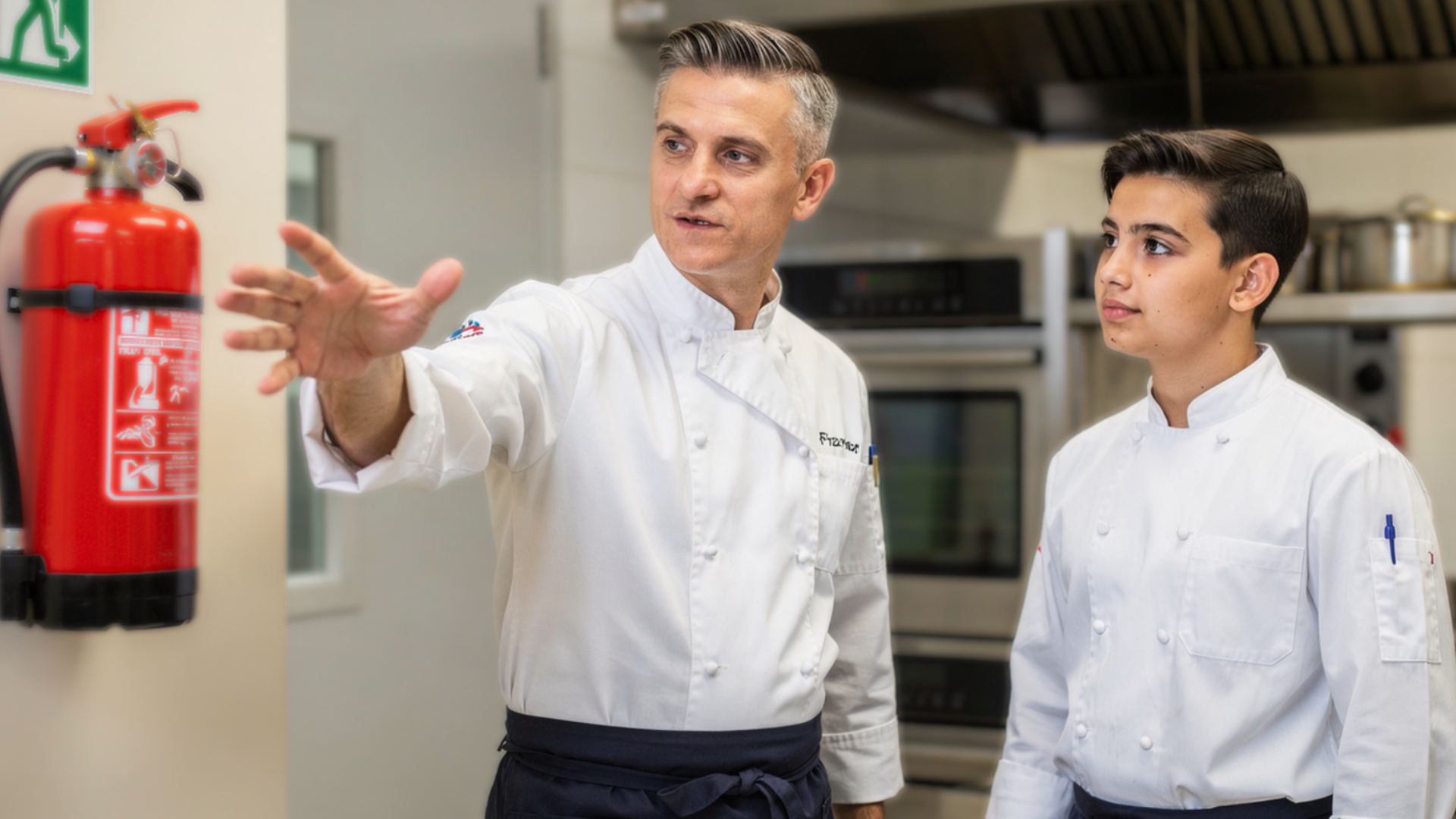
👉 Here are seven common kitchen safety mistakes and how hospitality businesses can prevent them:
1. Assuming employees already know food safety basics
Many hospitality employees arrive with previous kitchen experience. However, assumptions can be risky.
Different employers often follow different procedures, and practices learned elsewhere may not align with your organization's standards. New hires who are not properly trained may unknowingly introduce unsafe habits into the workplace.
A structured onboarding process helps ensure every employee starts with the same expectations and understanding of kitchen safety requirements.
Ask yourself:
🟢 Does every new employee receive food safety training?
🟢 Are standards documented and easy to access?
🟢 Is training refreshed regularly?
2. Treating food safety training as a one-time event
A single training session is rarely enough. Food safety procedures can change, new employees join the team, and even experienced staff can develop bad habits over time. Without ongoing reinforcement, knowledge gaps begin to appear.
The safest kitchens view food safety as a continuous process rather than a one-time compliance activity.
Best practice →
Schedule regular refresher training and short knowledge reviews throughout the year.
3. Poor cross-contamination prevention
Cross-contamination remains one of the most common food safety risks in hospitality operations.
Using the same equipment, surfaces, or utensils for different food products without proper cleaning can introduce unnecessary hazards.
Clear processes, visual reminders, and consistent staff training help reduce this risk significantly.
Warning signs:
⛔ Shared cutting boards without clear procedures
⛔ Improper cleaning between tasks
⛔ Unclear food storage practices
4. Inconsistent hygiene standards between team members
Even when policies exist, implementation can vary from person to person.
One employee may follow procedures consistently, while another takes shortcuts during busy service periods. These inconsistencies create unnecessary risks and make it difficult to maintain safe operations.
Managers, supervisors and employees following procedures consistently, all play an important role in reinforcing expectations and ensuring standards are applied consistently across the team.
Best practice →
Create a culture around good food safety habits (more below). Because when food safety becomes part of the workplace culture, employees are more likely to hold themselves and each other accountable.
👉 Looking for a simple way to standardize food safety practices at your organization? Discover "How to choose the right food safety training for your hospitality team."
5. Neglecting temporary, seasonal, or new staff
Many hospitality businesses rely on seasonal workers, temporary staff, interns, or part-time employees.
Because these team members may be with the organization for a shorter period, businesses sometimes invest less time in training. Unfortunately, this can increase the likelihood of mistakes.
Every employee who enters the kitchen should understand the organization's food safety expectations, regardless of their role or length of employment.
Ask yourself:
🟢 Are temporary staff trained before their first shift?
🟢 Would every seasonal worker pass a food safety check today?
🟢 Can new hires complete food safety training on day one?
🟢 Can all this staff access this training easily whenever they need a refresher?
6. Relying on verbal instructions alone
Verbal explanations can be forgotten, misunderstood, or interpreted differently by different individuals.
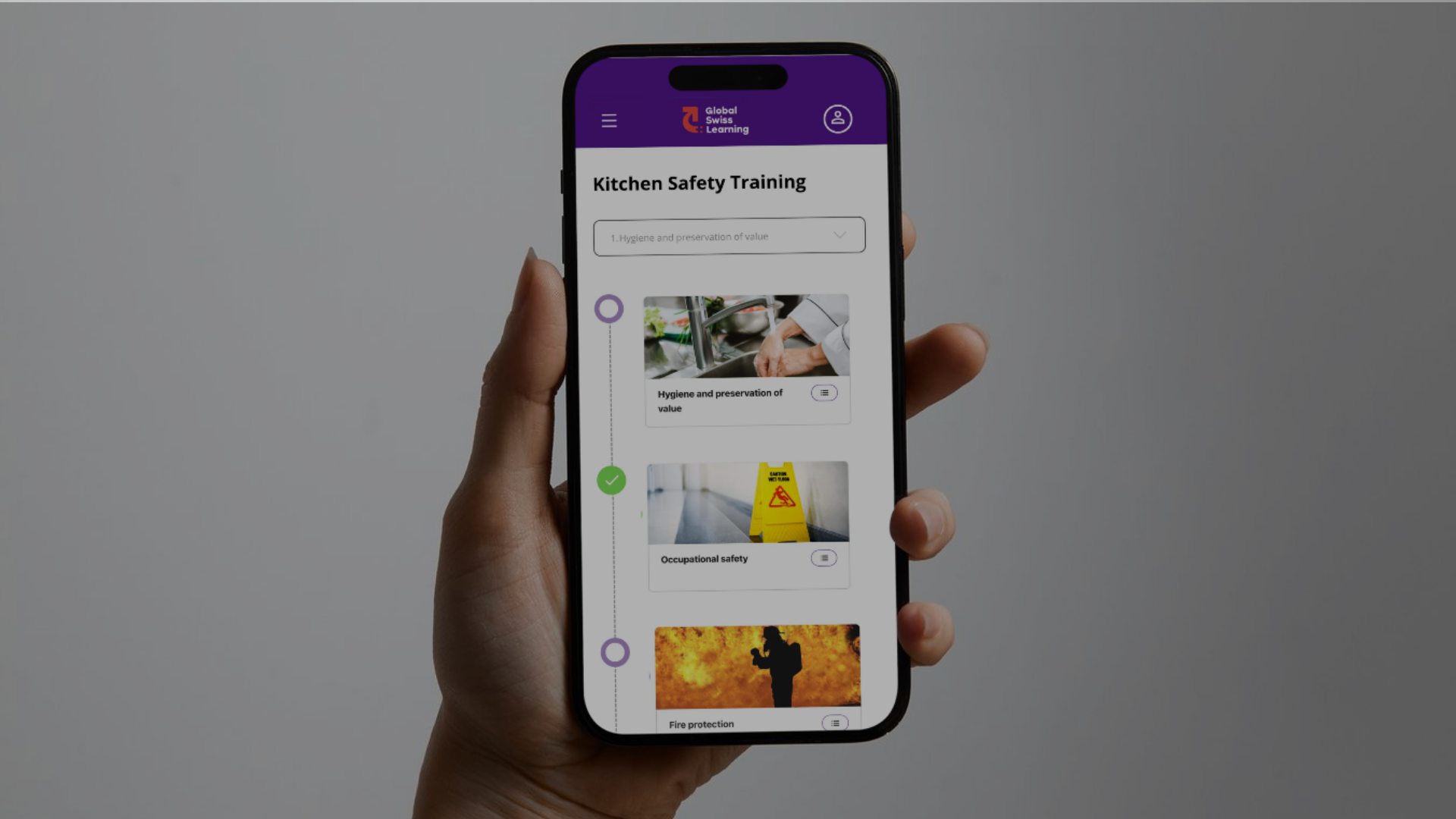
Organizations achieve better consistency when training is supported by engaging and visual learning materials, accessible digital resources and documented procedures.
This is especially important for businesses operating across multiple locations or employing multilingual teams.
Consider:
👍 Digital learning modules / digital kitchen safety course
👍 Mobile-accessible training materials
👍 Visual guides and checklists
👍 Standardized operating procedures
7. Failing to create a culture of accountability
Technology, procedures, and training all matter, but culture is equally important.
Employees should feel responsible for maintaining food safety standards and confident in speaking up when they identify potential issues. Recognize and reward employees who consistently follow procedures, use gamification to encourage participation, and help teams work toward shared food safety goals.
When food safety becomes part of the organization's culture, compliance is no longer driven solely by management oversight. It becomes a shared responsibility across the entire team.
Strong food safety cultures typically:
✅ Encourage questions
✅ Reinforce good practices
✅ Address mistakes constructively
✅ Prioritize prevention rather than reaction
Why preventive training matters
The cost of a food safety incident extends far beyond the kitchen.
Organizations may face:
• Product waste
• Customer complaints
• Operational disruptions
• Damage to brand reputation
• Additional supervisory workload
Investing in consistent food safety training helps reduce these risks while supporting operational excellence and guest confidence.
For hospitality businesses, food safety is not just a compliance requirement. It is a fundamental part of delivering quality experiences and protecting the reputation of the organization.
Building safer hospitality teams
Creating a safe kitchen environment starts with knowledge, consistency, and accountability.
The most successful hospitality organizations do not rely on assumptions. They provide structured training, reinforce standards regularly, and equip their teams with the tools needed to work safely and confidently.
Whether onboarding new employees or upskilling existing teams, continuous learning helps turn food safety from a requirement into a daily habit.
Protect your team, guests, and reputation with practical Kitchen Safety Training designed for hospitality professionals. Learn more about our online Kitchen Safety Training program.
# hospitality food safety # restaurant food safety training # food hygiene training # hospitality staff training